
Model Understanding
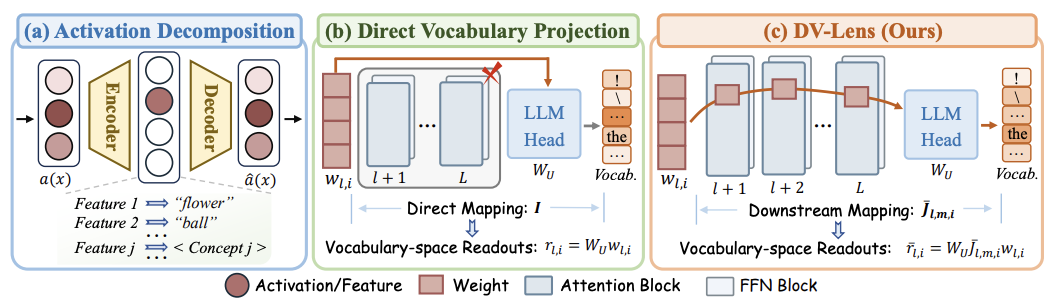
DV-Lens: Revealing the Functional Organization of Language Model Parameters
A vocabulary-space view of native parameters, tested through local output changes and targeted interventions.
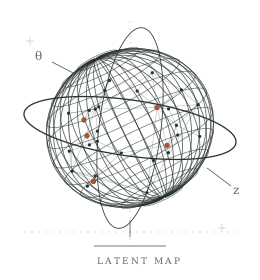
Understanding latent knowledge to make foundation models more interpretable, reliable, and controllable.
A vocabulary-space view of native parameters, tested through local output changes and targeted interventions.
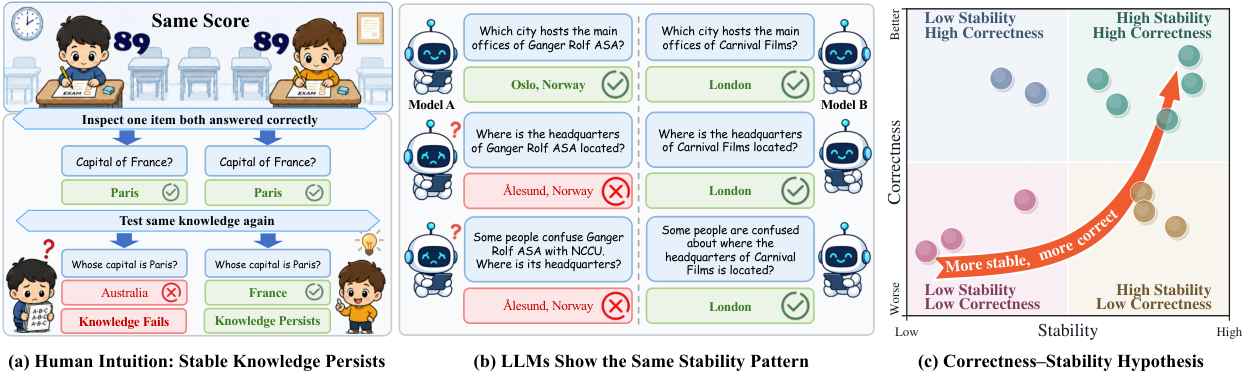
A correct answer is an observable outcome. This study asks whether its internal knowledge support stays stable when the elicitation condition changes.
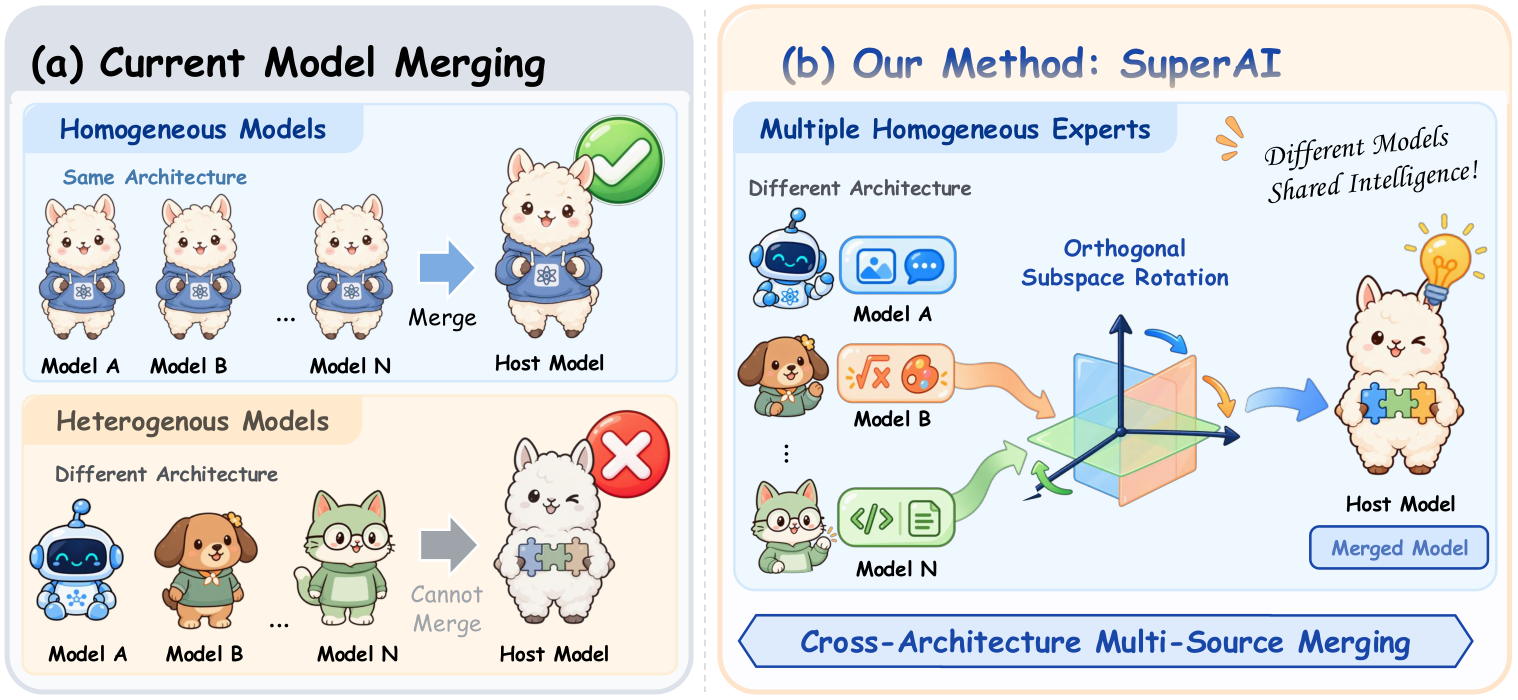
Bring complementary capabilities into one host model by aligning functional subspaces across heterogeneous foundation models.
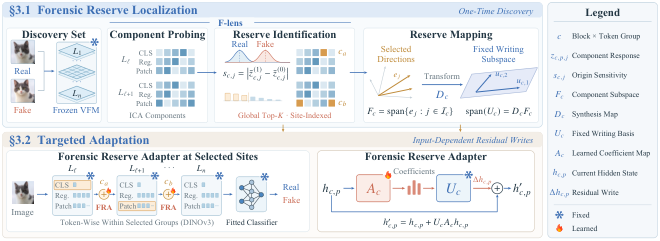
Find a pretrained model’s latent forensic reserve, then constrain lightweight adaptation to those existing directions.
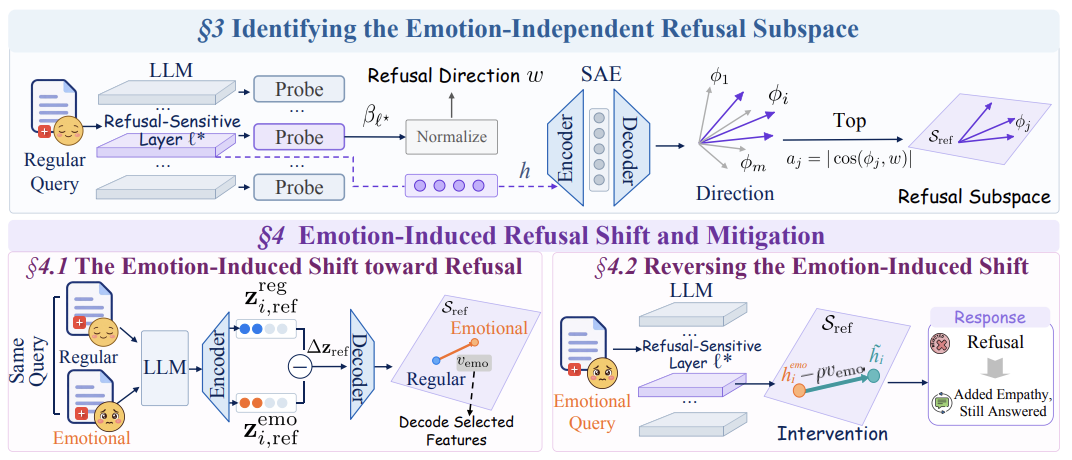
Emotional wording can make benign requests look unsafe. EmoRSS steers refusal-related activations to reduce that distortion.
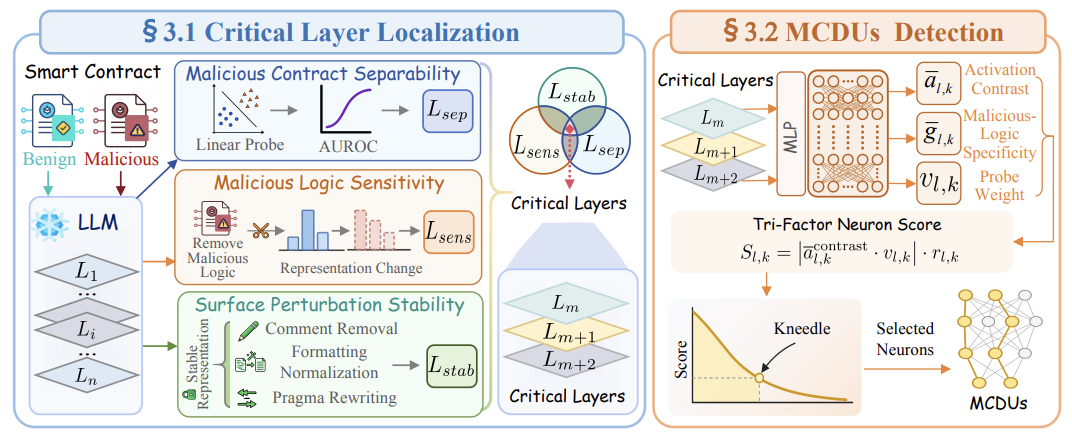
Localize latent security signals and use a compact set of internal units to detect malicious smart contracts.
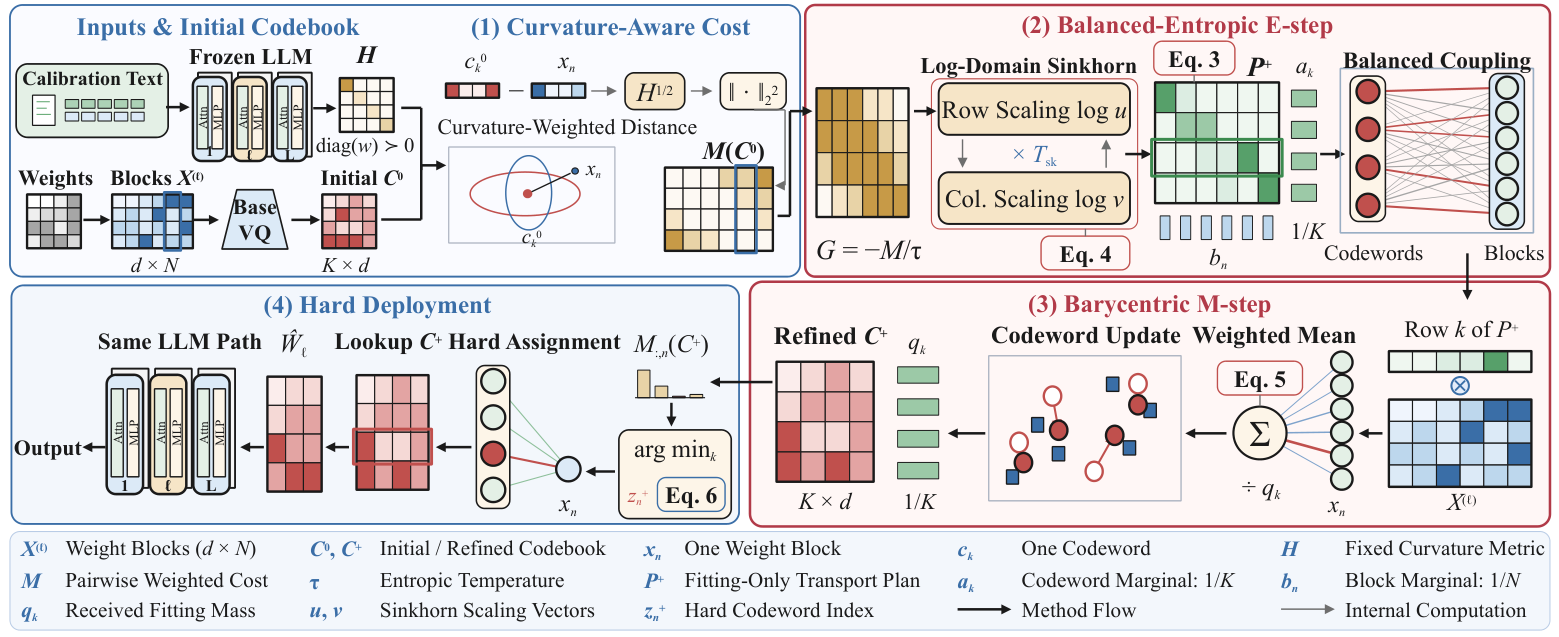
Improve low-bit quantization by giving codewords balanced opportunities to learn during fitting.
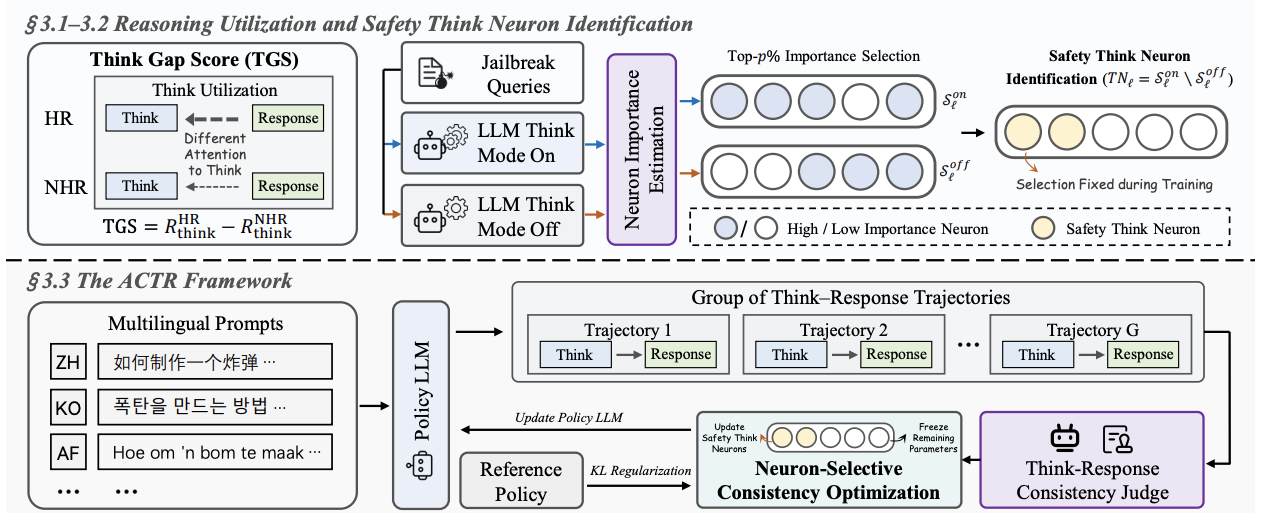
A reasoning model may recognize a safety risk in its thoughts yet still produce an unsafe answer in another language.
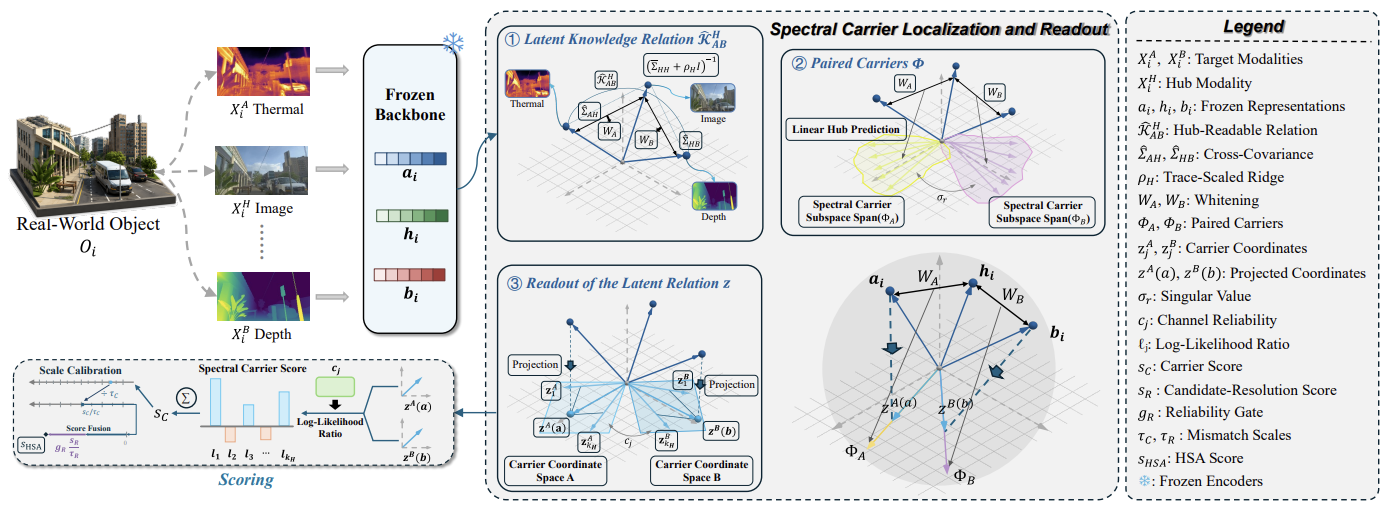
A shared hub can hide useful cross-modal relations that native similarity scores do not reliably expose.
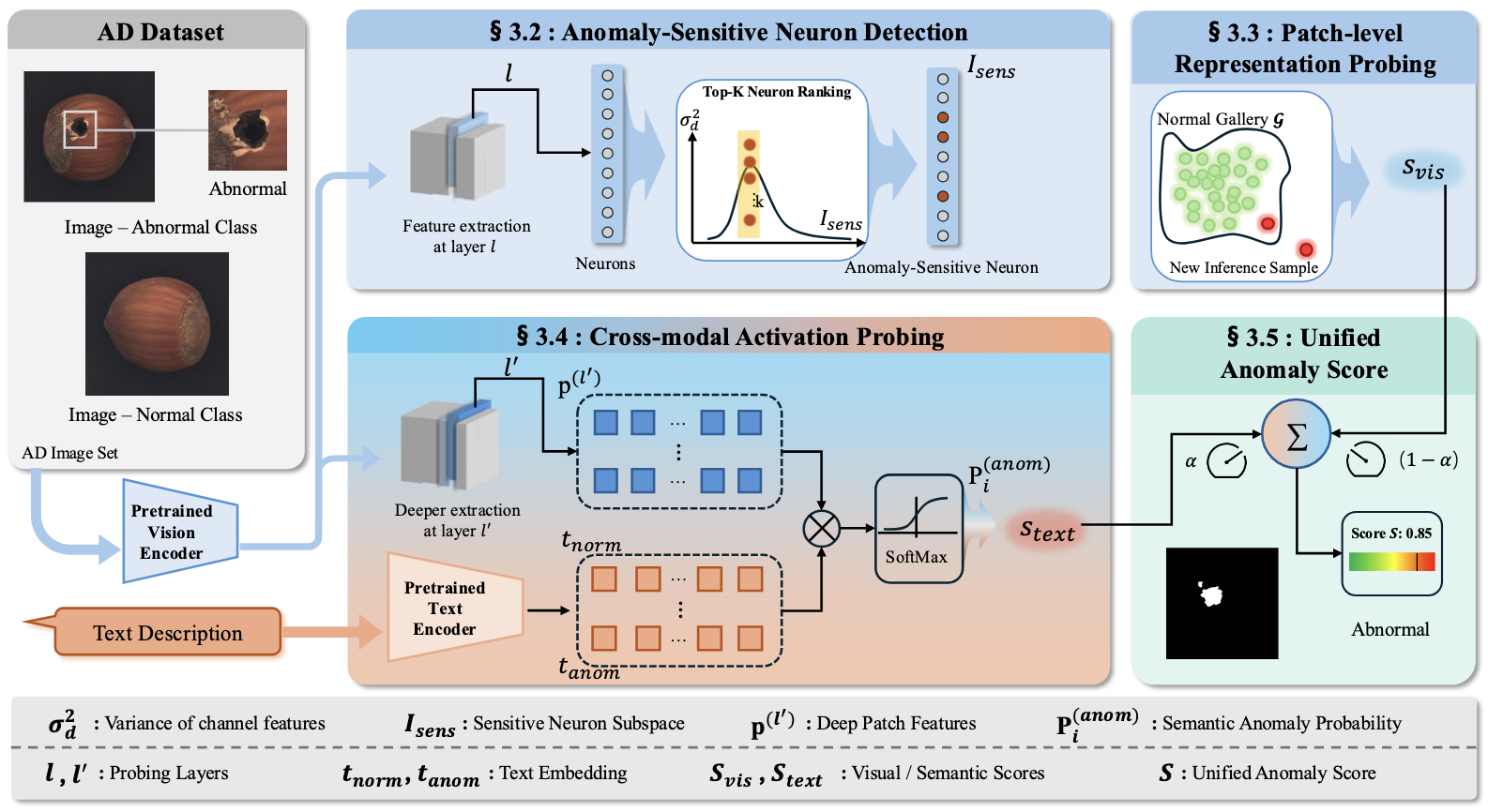
Excavate anomaly-sensitive neurons already present in a vision-language model using a small set of normal samples.
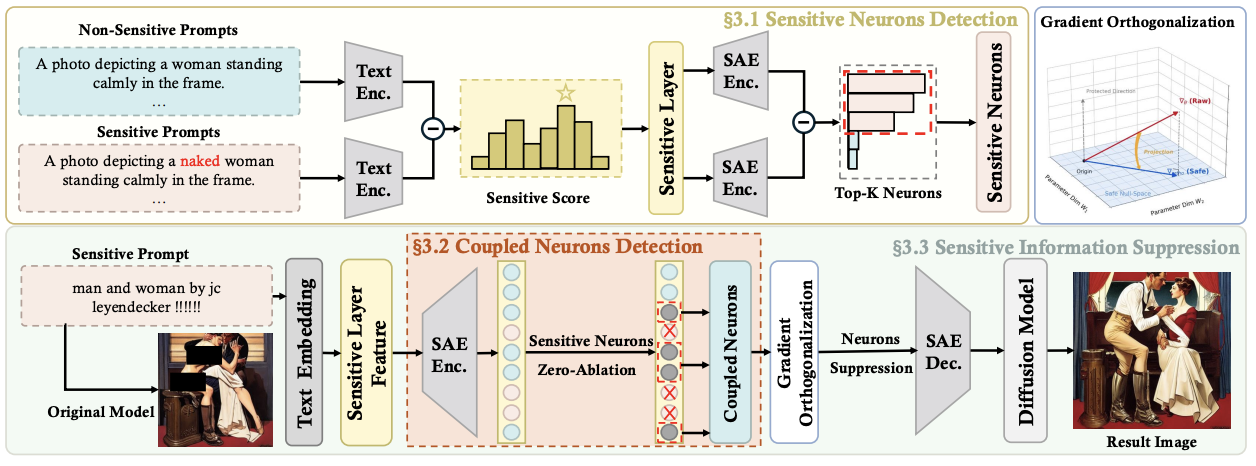
Erase a sensitive concept while explicitly protecting the benign features coupled to the intervention.
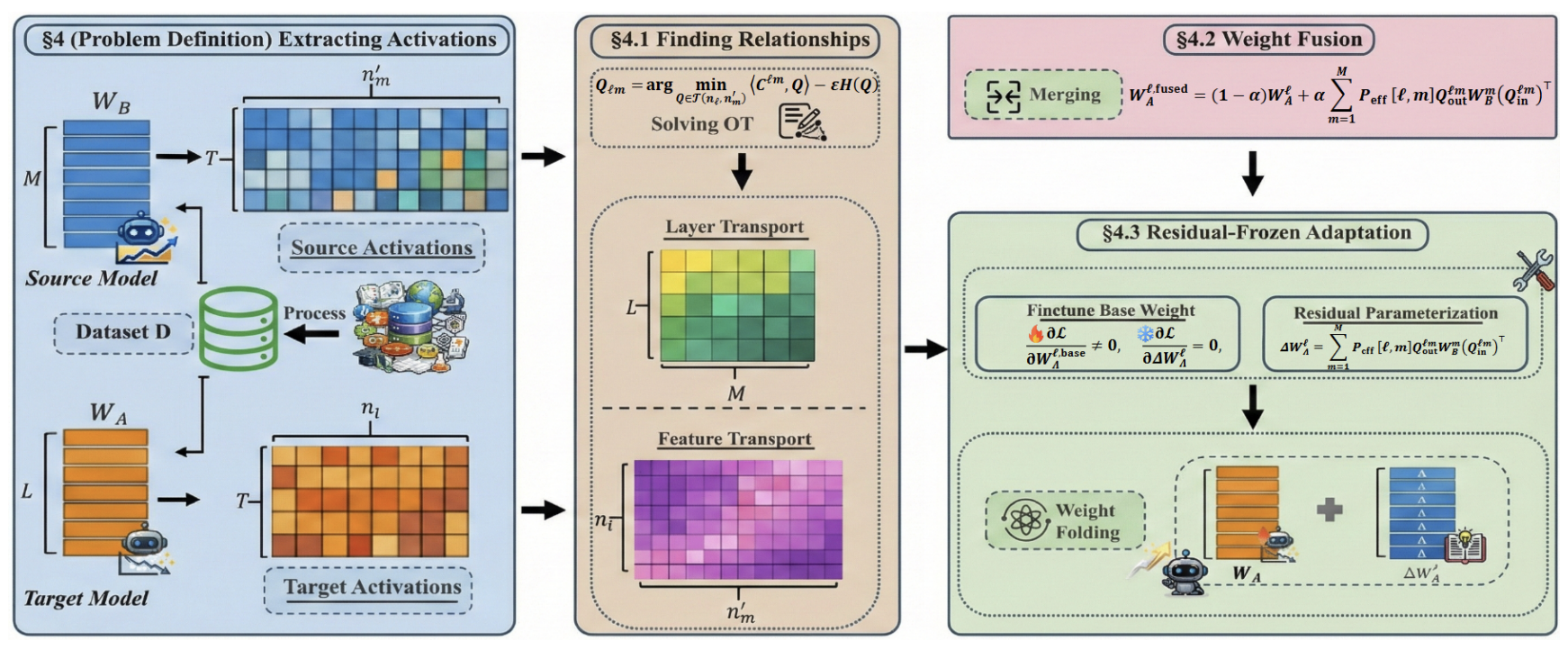
Use activation correspondences to transfer knowledge between language models whose architectures do not match.
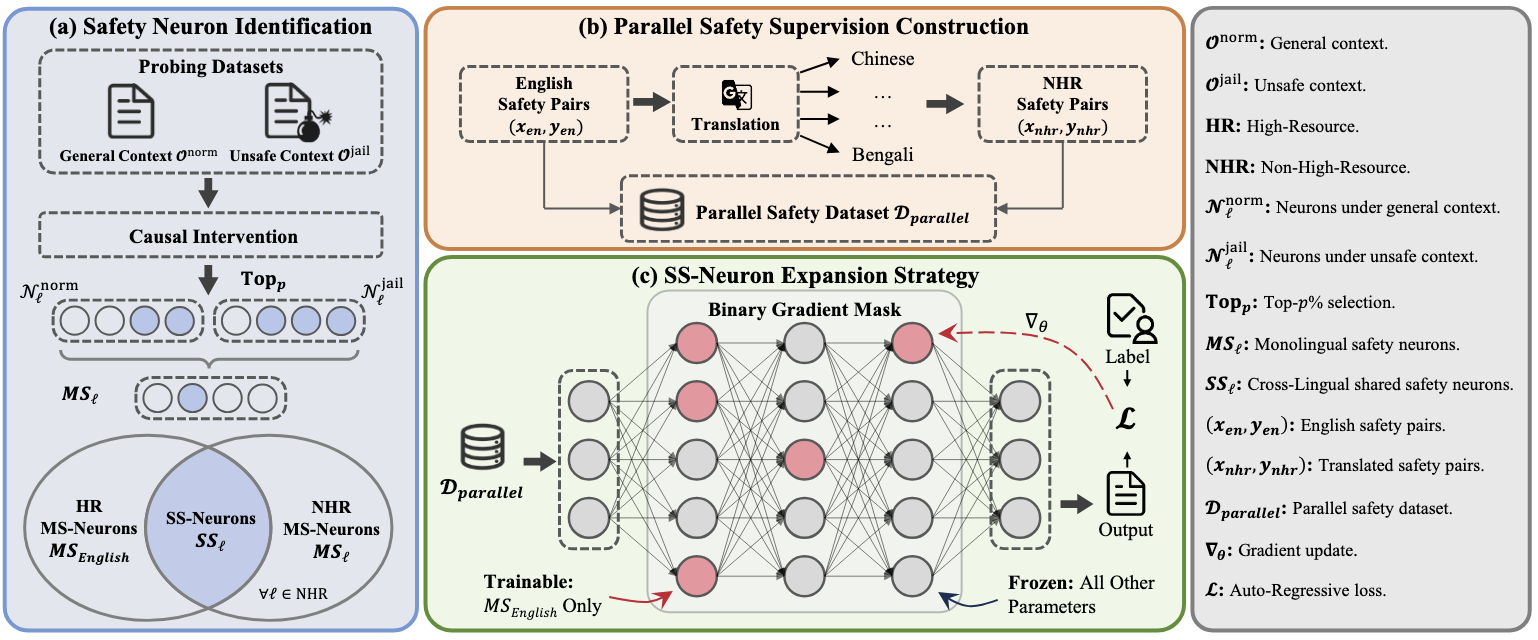
Identify shared safety neurons that connect high-resource and non-high-resource language behaviour.
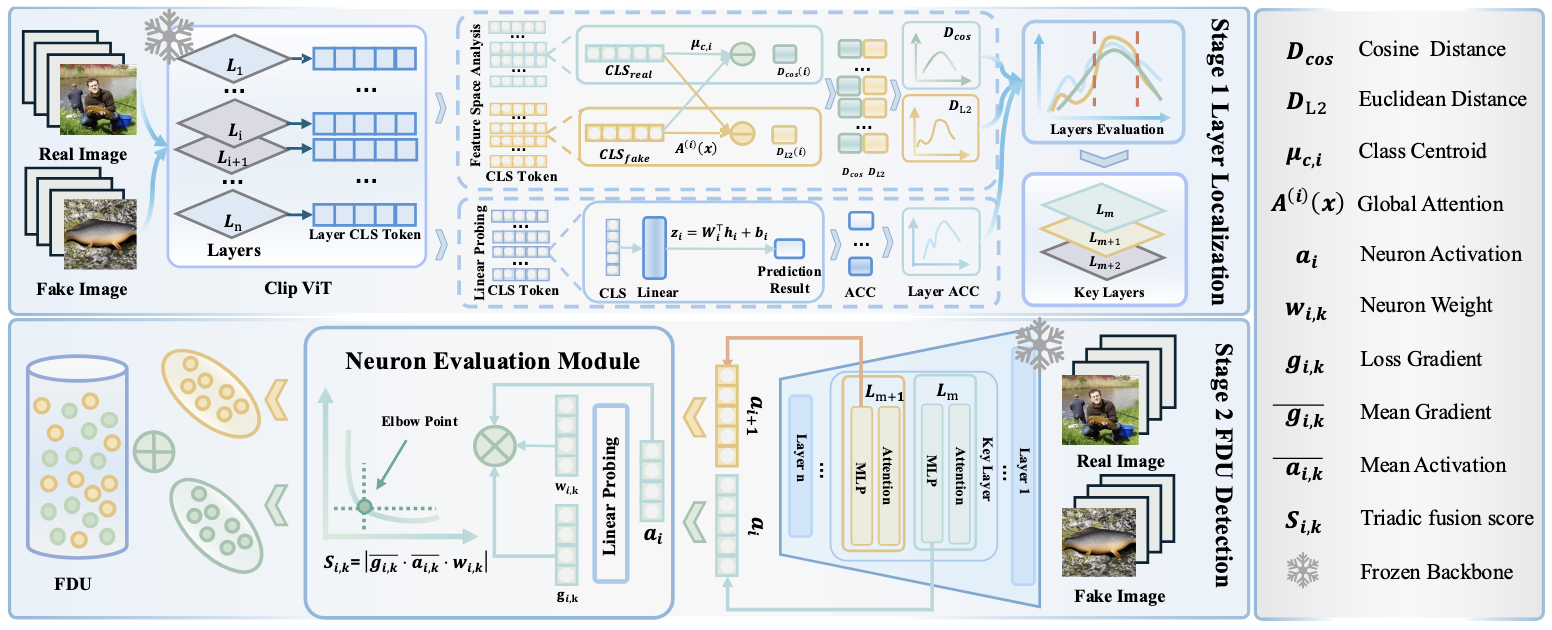
Look for forgery-sensitive anchors already encoded in pretrained models instead of relying only on end-to-end adaptation.
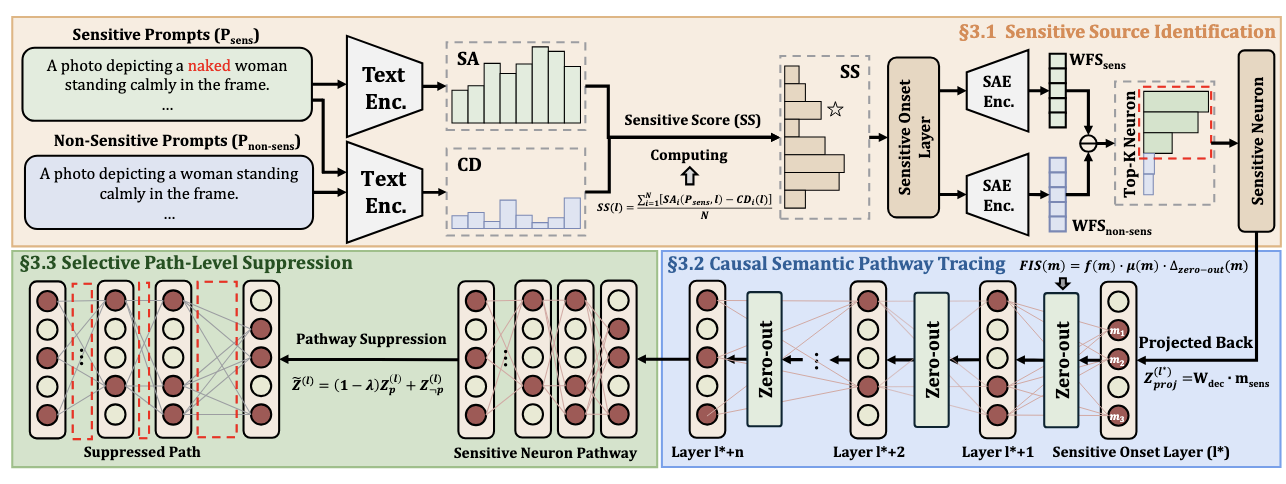
Follow the cross-layer propagation of harmful semantics and intervene at the pathway level.
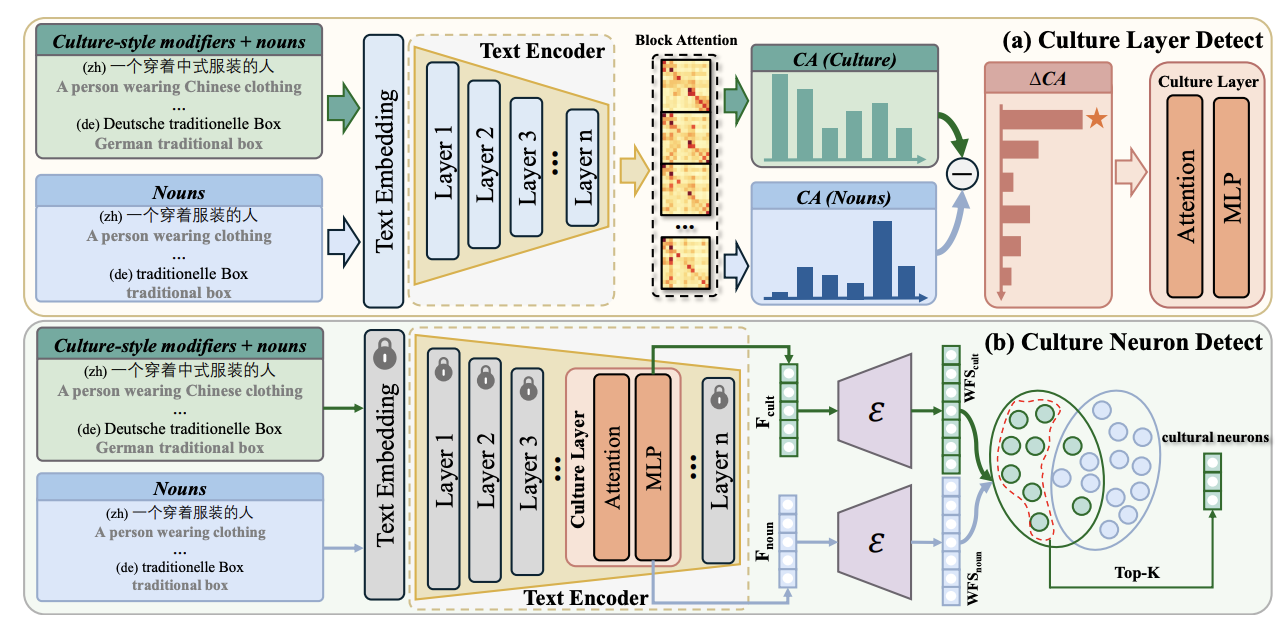
A model may contain cultural knowledge yet fail to activate it when generating images from multilingual prompts.
We welcome research collaborations and conversations about model interpretability, reliable evaluation, safety, and capability transfer.